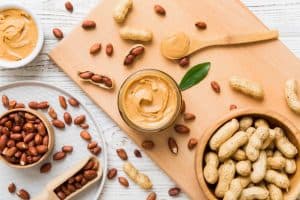
Organic nut butter has become increasingly popular in recent years due to its health benefits and delicious taste. Made from various nuts and seeds, nut butter is a great source of protein, healthy fats, and essential nutrients. Learn about organic nut butter: what it is, how to make it, and how to choose the right one.
Organic farmers grow and process organic nuts and seeds, which farmers use to make organic nut butter. This means that they avoid using synthetic pesticides, fertilizers, or other harmful chemicals. Organic nut butter is a healthier alternative to conventional nut butter because it is free from harmful chemicals and additives.
There are many types of nut butter available, including almond butter, cashew butter, peanut butter, and more. Each type of nut butter has its own unique taste and texture, making it a versatile ingredient in many recipes. Nut butter is a great choice for anyone looking for a creamy spread or crunchy salad topping.
Key Takeaways
- Organic nut butter is a healthier alternative to conventional nut butter because it is free from harmful chemicals and additives.
- There are many types of organic nut butter available, including almond butter, cashew butter, peanut butter, and more.
- You can use organic nut butter in many recipes as it is a versatile ingredient.
What is Organic Nut Butter
Farmers grow organic nuts without synthetic fertilizers, pesticides, or other harmful chemicals. Nut butter is made by grinding various nuts into a paste, including peanuts, almonds, cashews, and walnuts.
Organic nut butter is a healthier alternative to conventional nut butter because it is free from harmful chemicals. This nut butter is also rich in nutrients such as protein, fiber, and healthy fats. These nutrients are essential for maintaining good health.
You can use organic nut butter for spreading on toast, dipping fruits and vegetables, or adding to smoothies due to its versatility. It’s also a great source of energy and can serve as a pre-workout snack.
Overall, organic nut butter is a great addition to a healthy diet.Organic nut butter is free from harmful chemicals, rich in nutrients, and you can use it in many ways.
Types of Organic Nut Butter
When it comes to nut butter, there are a few popular options to choose from. Here are three of the most common types of organic nut butter:
Almond Butter
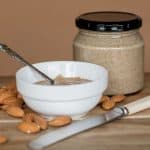
Almond butter is a great option for those looking for a nut butter that is high in protein and healthy fats. It contains heart-healthy monounsaturated fats as well as vitamins and minerals, including vitamin E, magnesium, and calcium. Almond butter is also a good source of fiber, which can help keep you feeling full for longer periods of time.
Peanut Butter
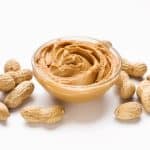
Peanut butter is arguably the most popular nut butter, thanks to its versatility and delicious taste. It is an excellent source of monounsaturated fats and vitamin E, which are important for blood, brain, and skin health. Peanut butter also contains some B vitamins, magnesium, potassium, and selenium.
Cashew Butter
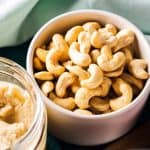
Cashew butter is another great option for those looking for a nut butter that is high in healthy fats and protein. It has a slightly sweet and only mildly nutty taste. Cashew butter is a good source of fiber, and it also contains important vitamins and minerals like vitamin K, iron, and zinc.
What To Look For When Buying A Nut Butter
When choosing a nut butter, it’s important to look for options that are free from added sugars and preservatives. This will help ensure that you are getting the most health benefits from your nut butter. Additionally, it’s important to pay attention to serving sizes, as nut butter can be high in calories.
Overall, incorporating organic nut butter into your diet can be a great way to boost your intake of healthy fats, protein, and important vitamins and minerals.
How Organic Nut Butter is Made
Making organic nut butter is a simple process that involves grinding organic nuts into a smooth paste. You can process organic nut butter at home using a food processor or blender, or in a commercial setting with specialized equipment.
To make nut butter at home, start by selecting your favorite organic nuts. The most popular choices are peanuts, almonds, cashews, and hazelnuts. Roasting the nuts beforehand can enhance their flavor, but it is not necessary.
Then, you should place the nuts in a food processor or blender and process them until they are finely ground. Continue to process the nuts until they form a smooth paste. If the nut butter is too thick, you can add a small amount of oil, such as coconut or vegetable oil, to thin it out.
Commercial organic nut butter production involves a similar process, but on a larger scale. Farmers roast the nuts in large batches and grind them using specialized equipment to make organic nut butter. They then package and sell the resulting product to consumers.
Note that farmers make organic nut butter without using synthetic pesticides or fertilizers. This ensures that the final product is free from harmful chemicals and is better for the environment.
Overall, nut butter can be made through a simple process that can be done at home or in a commercial setting. By using organic nuts and avoiding synthetic chemicals, you can enjoy a healthier and more sustainable nut butter.
Choosing the Right Organic Nut Butter
When it comes to choosing the right organic nut butter, there are a few things to keep in mind. In this section, we’ll cover some key factors to consider when selecting the best nut butter for you.
Label Reading
One of the most important things to do when choosing an organic nut butter is to read the label carefully. When looking for nut butters, you should look for those made with minimal ingredients and avoid those that contain added sugars, hydrogenated oils, or other artificial ingredients. Nut butters made with just one or two ingredients, such as almonds or cashews, are the best.
It’s also important to check the nutrition label to make sure the nut butter is a good source of protein, healthy fats, and fiber. Almond butter, for example, is a great source of protein and healthy fats, while peanut butter is a good source of fiber.
Price vs Quality
Another factor to consider when choosing an organic nut butter is the price vs quality. While some organic nut butters can be expensive, it’s important to remember that quality is key. When looking for nut butters, you should look for those made with high-quality, organic ingredients and avoid those that are highly processed or contain added sugars and other artificial ingredients.
It’s also important to consider the size of the jar when comparing prices. Some nut butters may be more expensive upfront, but they may also come in larger jars or provide more servings per jar, making them a better value in the long run.
Overall, you should read the label carefully, consider the price vs quality, and choose a nut butter made with high-quality, organic ingredients when selecting the right butter.
Storing Organic Nut Butter
When it comes to storing the butter, there are a few things to keep in mind to ensure that it stays fresh and delicious for as long as possible.
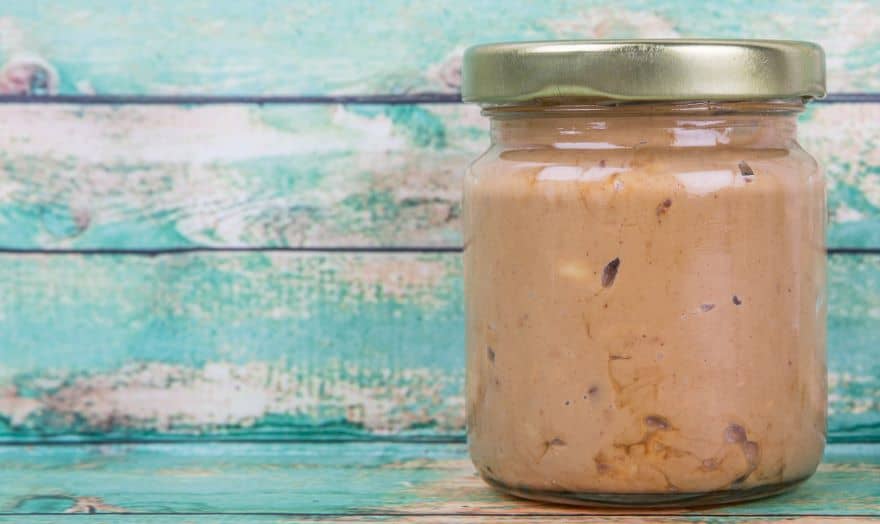
First, it’s important to store your nut butter in an airtight container to protect it from air and moisture. This helps minimize the risk of spoilage and ensures that your nut butter stays fresh for longer. Glass jars with screw-top lids are a great option for storing nut butter, as they are both airtight and reusable.
Secondly, it’s best to store your nut butter in a cool, dry place. While you can store some types of nut butter at room temperature, you should refrigerate others to prevent spoilage. For instance, you should refrigerate almond butter and cashew butter after opening. However, you can store peanut butter at room temperature for a few months before refrigerating it.
It’s also important to avoid exposing your nut butter to direct sunlight or heat, as this can cause it to go rancid more quickly. Instead, store your nut butter in a dark, cool place, such as a pantry or cupboard.
Finally, it’s a good idea to use a clean spoon every time you scoop nut butter out of the jar. This helps prevent contamination and ensures that your nut butter stays fresh for longer.
By following these simple tips, you can help ensure that your organic nut butter stays fresh and delicious for as long as possible.
Ways to Include Organic Nut Butter in Your Diet
Nut butter is a versatile and delicious ingredient that can be incorporated into a variety of dishes. Here are some ways to include nut butter in your diet:
- Spread it on toast: One of the simplest ways to enjoy nut butter is by spreading it on toast. This makes for a quick and easy breakfast or snack. You can also add toppings like sliced bananas, honey, or chia seeds for added flavor and nutrition.
- Use it as a dip: Nut butter makes a great dip for fruits and vegetables. You can also use it as a dip for crackers or pretzels. It’s a healthy and satisfying snack that’s perfect for on-the-go.
- Blend it into smoothies: Adding nut butter to your favorite smoothie recipe can give it a creamy and nutty flavor. It also adds healthy fats and protein to your smoothie, making it more filling and satisfying.
- Bake with it: Nut butter can be used as a substitute for butter or oil in many baked goods. It adds moisture and flavor to your baked goods while also making them healthier. Try using it in muffins, cookies, or energy bars.
- Make sauces and dressings: Nut butter can be used to make delicious sauces and dressings. You can use it as a base for salad dressings or mix it with soy sauce and honey to make a tasty dipping sauce for spring rolls.
Incorporating nut butter into your diet is a great way to add healthy fats and protein to your meals. Try these ideas and experiment with your own recipes to find new and delicious ways to enjoy organic nut butter.
Frequently Asked Questions
- What are the health benefits of organic nut butter? The butter is a great source of healthy fats, protein, and fiber. It can help to reduce the risk of heart disease, lower cholesterol levels, and improve digestion. Additionally, nut butter is rich in vitamins and minerals, such as vitamin E, magnesium, and potassium, which can help to boost the immune system and promote overall health.
- What are the differences between organic almond butter and organic peanut butter? Almond butter is made from ground almonds, while organic peanut butter is made from ground peanuts. Almond butter tends to be higher in healthy fats and lower in carbohydrates than peanut butter. Peanut butter, on the other hand, is higher in protein and lower in fat than almond butter. Both types of nut butter are nutritious and delicious, so it ultimately comes down to personal preference.
- What are some creative ways to use organic nut butter? Nut butter can be used in a variety of ways, such as spread on toast, mixed into oatmeal or smoothies, used as a dip for fruits or vegetables, or even added to baked goods for a nutty flavor. It can also be used as a substitute for dairy in vegan recipes or as a healthier alternative to traditional butter or margarine.
- Is organic nut butter better for you than non-organic nut butter? Nut butter is made from nuts that have been grown without the use of synthetic pesticides or fertilizers. This can be beneficial for both the environment and your health. Non-organic nut butter may contain additives, such as sugar, hydrogenated oils, and emulsifiers, that can be harmful in large quantities. However, it is important to note that organic nut butter is not necessarily healthier than non-organic nut butter in terms of its nutritional content.
- What are some potential drawbacks of consuming too much organic nut butter? While nut butter can be a healthy addition to your diet, it is important to consume it in moderation. Nut butter is high in calories and fat, so consuming too much of it can lead to weight gain and other health issues. Additionally, some people may be allergic to nuts, so it is important to be aware of any potential allergies before consuming nut butter.