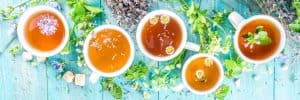
As someone who loves tea, I’m always looking for new and interesting types to try. While I enjoy the occasional cup of black or green tea, I also appreciate the many benefits of caffeine-free herbal teas. Caffeine-free herbal teas suit everyone’s taste for relaxation or flavor with friends.
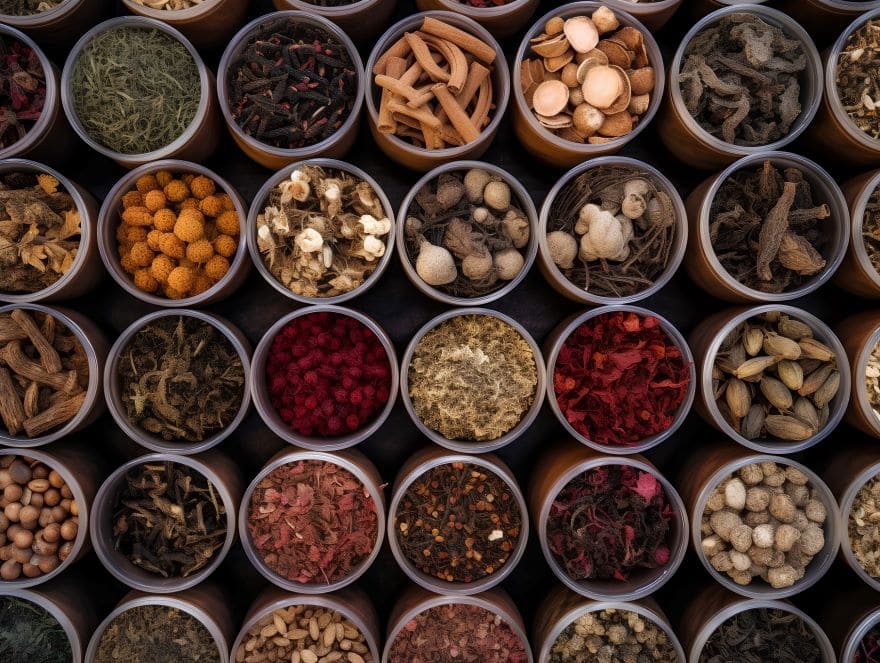
What are Caffeine-Free Herbal Teas?
Producers make caffeine-free herbal teas using a diverse selection of plants, herbs, and flowers, and they are free of caffeine. Herbal tea blends use various ingredients, while traditional teas come from Camellia sinensis leaves.
The History of Herbal Teas
People have savored herbal teas for centuries, not only for their delightful flavors but also for their medicinal properties. People used herbal teas medicinally in ancient times.Ancient Egyptians used chamomile, and Chinese medicine used ginger tea.
As time passed, numerous cultures worldwide embraced the consumption of herbal teas, relishing their distinct flavors and health advantages. Today, there are countless varieties of herbal teas available, each with its own distinct flavor and aroma.
How To Choose The Best Brands
When it comes to choosing the best caffeine-free herbal teas, there are a few things to keep in mind. First, consider your personal taste preferences and what flavors and aromas you enjoy. Do you prefer fruity and tart teas like hibiscus, or spicy and warming teas like ginger? Next, look for high-quality ingredients and choose organic or sustainably sourced teas whenever possible. It guarantees chemical-free, ethical, and sustainable farming practices. Pick a herbal tea that matches your health goals. Caffeine-free herbal tea can support health goals.
Health Benefits of Caffeine-Free Herbal Teas
Caffeine-free herbal teas are famous for their many health benefits in addition to their delightful taste. Here are just a few of the ways that drinking herbal tea can support your well-being:
- Digestive Health: Ginger and peppermint teas promote digestive health. Ginger tea alleviates IBS symptoms.
- Stress and Anxiety Reduction: Chamomile and lavender herbal teas are famous for their calming and soothing effects, which can aid in reducing feelings of stress and anxiety. Drinking a cup of herbal tea before bed can also promote relaxation and improve sleep quality.
- Immune System Boosting: Some people believe that certain herbal teas, such as echinacea and elderberry, have immune-boosting properties. These teas may help support the body’s natural defenses and protect against illnesses like the common cold and flu.
- Anti-Inflammatory Properties: Many herbs and spices used in herbal teas, such as turmeric and cinnamon, have anti-inflammatory properties. Drinking these teas regularly may help reduce inflammation in the body and lower the risk of chronic diseases like heart disease and diabetes.
Delicious Varieties of Caffeine-Free Herbal Teas
One of the best things about caffeine-free herbal teas is the wide variety of flavors and aromas available. Here are some of my favorite varieties, along with their unique benefits:
Chamomile: People often use the calming and soothing properties of chamomile tea to induce relaxation and enhance the quality of sleep. It may also have anti-inflammatory properties and can help relieve symptoms of anxiety and depression. I sleep like a baby after having a cuppa in the evening about an hour before bedtime.
Peppermint: Peppermint tea is refreshing and invigorating, and is often used to support digestive health and relieve symptoms of indigestion and bloating. It may also have a cooling effect on the body and can help relieve headaches and muscle pain.
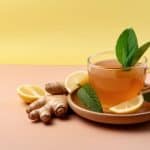
Ginger: Frequently, people use ginger tea, with its spicy and warming flavor, to aid digestive health and alleviate symptoms of nausea and vomiting. It may also have anti-inflammatory and antioxidant properties, and can help relieve pain and stiffness in the joints.
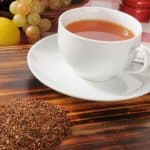
Rooibos: Rooibos tea is a caffeine-free alternative to black tea, and has a rich and nutty flavor. People often enjoy it for its antioxidant properties, which may aid in reducing inflammation. Rooibos tea may also help support heart health and improve blood sugar control.
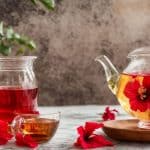
Hibiscus: People frequently enjoy hibiscus tea for its tart and fruity flavor, and it is often served as a refreshing iced tea.It is also rich in antioxidants and may help lower blood pressure and cholesterol levels. Hibiscus tea may also have anti-inflammatory properties and can help support liver health.
Lemon Balm: The light and citrusy flavor of lemon balm tea is often utilized to promote relaxation and alleviate stress and anxiety. It may also have antiviral properties and can help relieve symptoms of colds and flu.
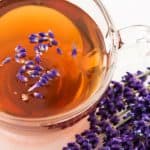
Lavender: The floral and calming flavor of lavender tea is often employed to promote relaxation and enhance the quality of sleep. It may also have anti-inflammatory properties and can help relieve headaches and muscle pain.
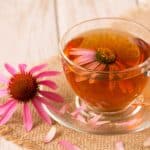
Echinacea: People often enjoy echinacea tea for its immune-boosting properties, which may aid in supporting the body’s natural defenses against infections and illnesses. It may also have anti-inflammatory properties and can help relieve symptoms of colds and flu.
Lemon Verbena: With its bright and lemony flavor, lemon verbena tea is frequently used to aid digestive health and alleviate symptoms of indigestion and bloating. It may also have anti-inflammatory and antioxidant properties, and can help relieve stress and anxiety.
How to Brew the Perfect Cup of Herbal Tea
Brewing an ideal cup of herbal tea is easy and can be accomplished in just a few simple steps. Here’s what you’ll need:
- A tea kettle or pot
- A tea infuser or strainer
- Fresh, filtered water
- Your favorite variety of herbal tea
To brew herbal tea, simply follow these steps:
- Bring water to a boil in a tea kettle or pot.
- Place your herbal tea in a tea infuser or strainer.
- Pour the hot water over the tea and let it steep for 5-10 minutes, depending on the variety of tea.
- Remove the tea infuser or strainer and enjoy your delicious and healthy cup of herbal tea!
Conclusion
Caffeine-free herbal teas offer a wide range of flavors, aromas, and health benefits, making them a great choice for tea lovers everywhere. Whether you’re looking for a soothing cup of chamomile tea to help you relax, or a spicy cup of ginger tea to support digestive health, there’s a caffeine-free herbal tea out there for everyone. So why not try a new variety today and experience the many benefits of herbal tea for yourself?
FAQs
- Are caffeine-free herbal teas safe to drink during pregnancy? While many herbal teas are safe to drink during pregnancy, it’s always best to check with your healthcare provider before trying a new variety. Herbal teas do not work as a magic solution for weight loss, but research has found that certain varieties, like green tea and oolong tea, can aid in weight loss when paired with a healthy diet and exercise.
- How much herbal tea should I drink per day? The amount of herbal tea you should drink per day depends on the variety and your individual needs. As a general rule, it’s best to limit your intake to 3-4 cups per day to avoid any potential side effects.
- Can herbal teas interact with medications? Some herbal teas may interact with certain medications, so it’s important to talk to your healthcare provider before trying a new variety if you are taking any medications.
- Are caffeine-free herbal teas as healthy as traditional teas? While caffeine-free herbal teas do not contain the same compounds as traditional teas, they are still rich in antioxidants and other beneficial compounds that can support overall health and well-being.