
Let me share something that changed my whole perspective on smoothies. Three years ago, I took my first step away from standard fruit-only blends and discovered an exciting new way to create amazing drinks. My backyard garden became my smoothie-ingredient paradise, and my blender transformed into a laboratory for fresh ideas.
You might be used to the typical berry-and-banana smoothies—I was too. But I’ve since discovered innovative combinations and modern techniques that take smoothies from good to extraordinary. My fresh approach combines garden-grown produce with creative blending methods, transforming ordinary vegetables into exciting, nutrient-rich drinks.
The Power of Fresh Vegetables
Through my experimentation, I’ve discovered that vegetables aren’t just healthy add-ins; they’re star ingredients that can make smoothies more interesting and satisfying than ever before. Each vegetable brings its own special mix of nutrients:
- Spinach delivers iron and vitamins A, C, and K, supporting skin health, vision, and strong bones.
- Kale packs calcium and vitamins that boost bone health and immune function.
- Carrots provide beta-carotene for glowing skin and sharp vision.
- Celery offers potassium for balanced blood pressure and healthy nerve function.
One of my most exciting discoveries was learning about the antioxidant potential in fresh vegetables. When I add beets, carrots, or spinach to my smoothies, I’m creating a protective shield for my cells. These vegetables contain beta-carotene, lutein, and zeaxanthin—powerful antioxidants that guard against cell damage and support long-term health.
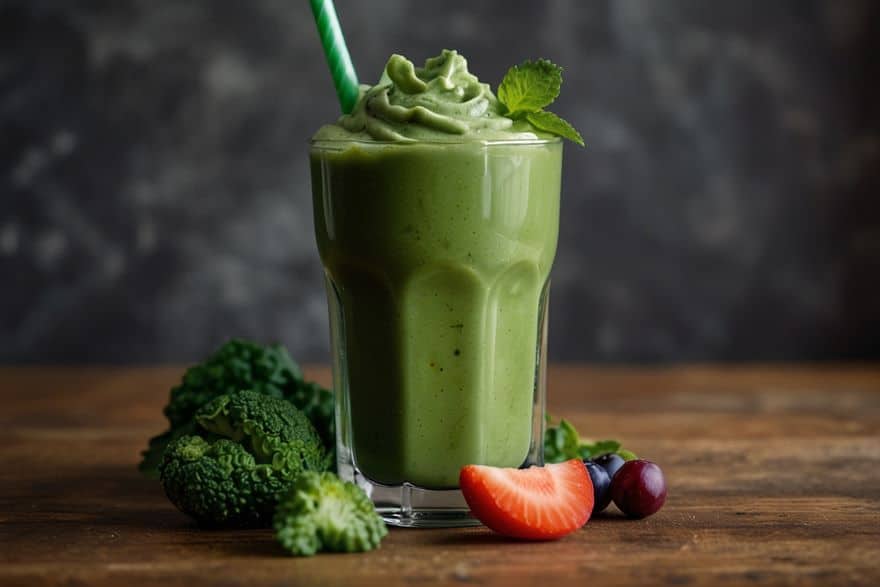
The Gut Health Connection
The most surprising benefit? The impact on my digestive system. Fresh vegetables contain living enzymes that aid digestion—enzymes that start to diminish the moment vegetables are picked. The fiber keeps everything moving smoothly and helps maintain a healthy weight without feeling deprived.
Building Natural Immunity
Since I started using fresh vegetables in my smoothies, my immune system has never been stronger. The antioxidants and phytochemicals in these vegetables have become my body’s natural defense system. They fight off harmful free radicals and help reduce inflammation.
My Top Picks for Perfect Smoothies
Through countless blends, I’ve identified the absolute best vegetables for smoothies:
- Spinach: My everyday hero, delivering iron and vitamin C with barely any taste.
- Kale: A nutrient powerhouse that becomes delicious when paired with sweet fruits.
- Carrots: Natural sweetness plus beta-carotene make these perfect for smoothies.
- Cucumber: Adds refreshing hydration and subtle vitamin K.
- Beets: Bring earthiness and anti-inflammatory benefits.
- Celery: Subtle flavor with potassium benefits.
- Ginger: Adds zing while supporting digestion.
Modern Preparation Methods
Here’s my innovative approach to preparing vegetables for the perfect smoothie:
1. Clean and Cut. I always start with thorough washing and chopping into blender-friendly pieces.
Accurate measurements are key to creating balanced vegetable smoothies. The Pyrex Glass Measuring Cup Set is an excellent tool for precisely measuring both liquid and dry ingredients, helping you achieve consistent results in your veggie-packed smoothie recipes. These versatile cups are also great for pre-soaking tougher vegetables or seeds before blending..
[amazon box=”B00M2J7PCI”]
2. Smart Prep: For tougher vegetables like kale or beets, I’ve discovered that quick blanching or steaming makes them blend better and easier to digest.
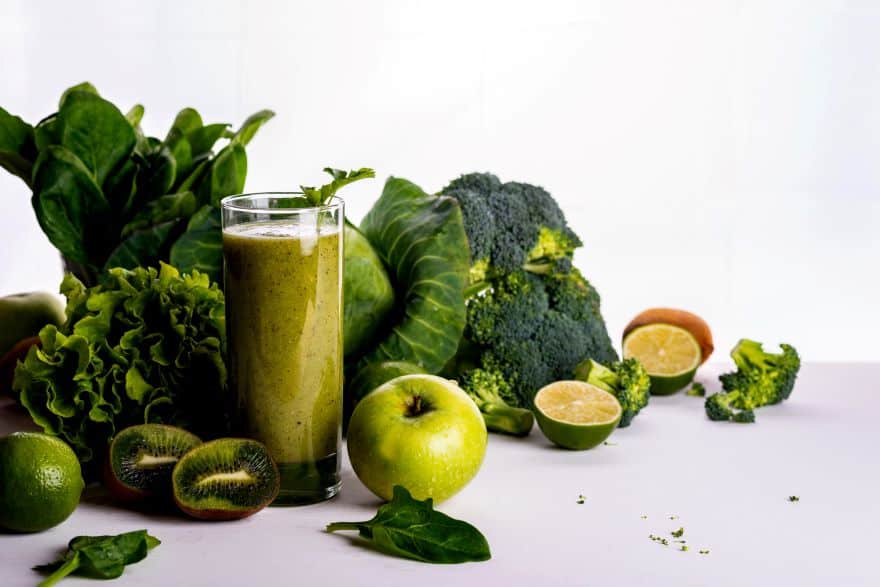
The Perfect Blend
Creating that perfect smoothie texture is both art and science. I always start with liquids—water, milk, or coconut water—followed by softer ingredients, then harder vegetables. This layering technique ensures each ingredient breaks down properly and blends into a harmonious mixture..
But even with perfect layering, you need the right tool to achieve that silky-smooth café-quality texture. That’s where the Vitamix A3300 Ascent Series Smart Blender comes in. This powerhouse transforms even the toughest vegetables into velvet-smooth drinks, making every blend feel like it was crafted by a professional. From stubborn beets to leafy greens, it’s the perfect partner for your smoothie journey.
[amazon box=”B01N11XJQ6″]
Revolutionary Recipes
Let me share three game-changing recipes that showcase my fresh approach to smoothie making:
The New Age Green Start
- 2 cups fresh spinach
- 1 medium carrot
- 1 small apple
- 1/2 banana
- 1 inch fresh ginger
- 1 cup coconut water
- 1/2 lemon, juiced
- 1 tablespoon chia seeds
- Ice cubes (optional)
This combination provides sustained energy and a perfect balance of sweet and fresh flavors.
The Tropical Revolution
- 1 small beet, peeled and chopped
- 1 cup mixed berries
- 1 celery stalk
- 1 handful of kale
- 1 tablespoon almond butter
- 1 cup almond milk
- 1 teaspoon honey (optional)
- Ice cubes
The berries mask any earthiness, while the almond butter adds satisfying creaminess.
The Power-Packed Refresher
- 1 cucumber
- 2 celery stalks
- 1 cup pineapple chunks
- 1 handful of spinach
- 1/2 avocado
- 1 scoop vanilla protein powder
- 1 inch ginger
- 1 cup coconut water
- Mint leaves (optional)
- Ice cubes
Perfect post-workout, this blend combines hydration with muscle recovery support.
Citrus Boost: A squeeze of fresh lemon or lime can brighten the flavors of your vegetable smoothies and add an extra dose of vitamin C. The Zulay Premium Quality Metal Lemon Lime Squeezer makes it easy to add this zesty touch to your drinks.
[amazon box=”B00YBP918M”]
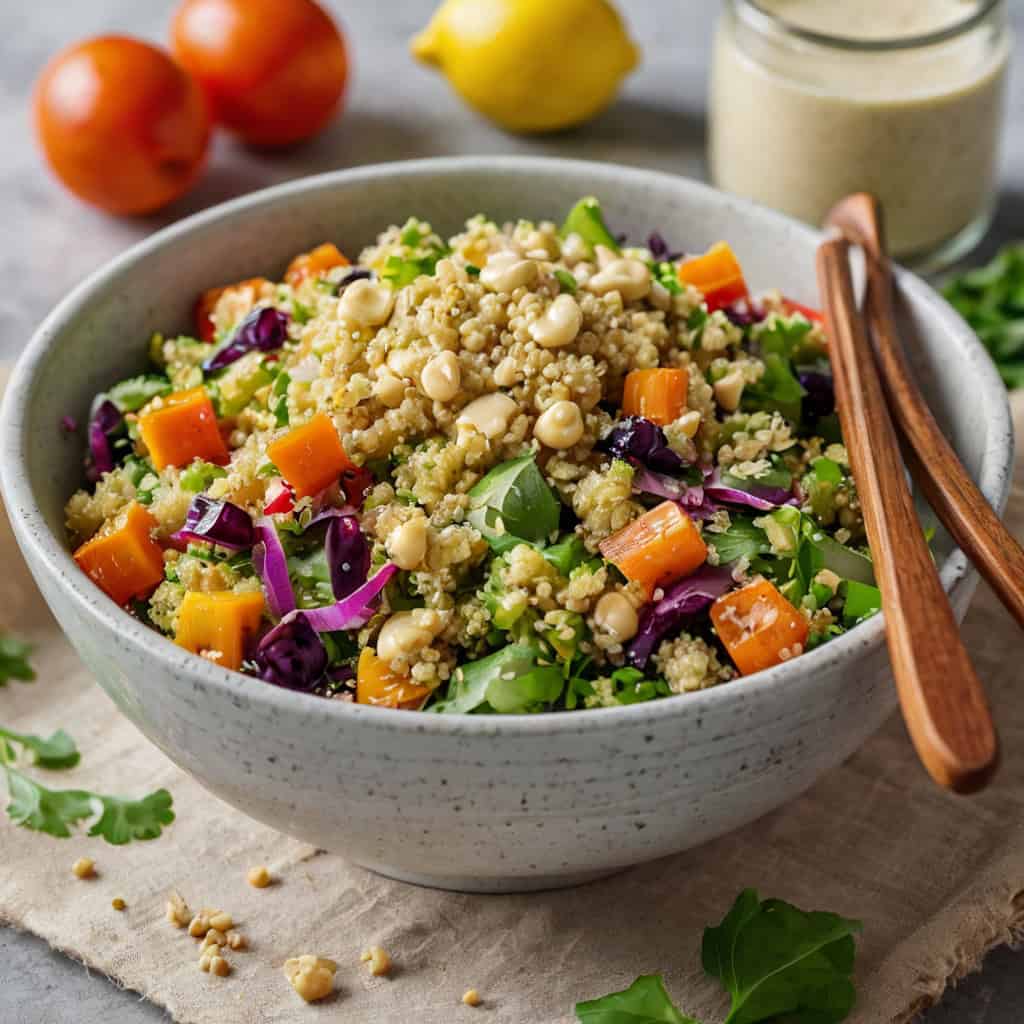
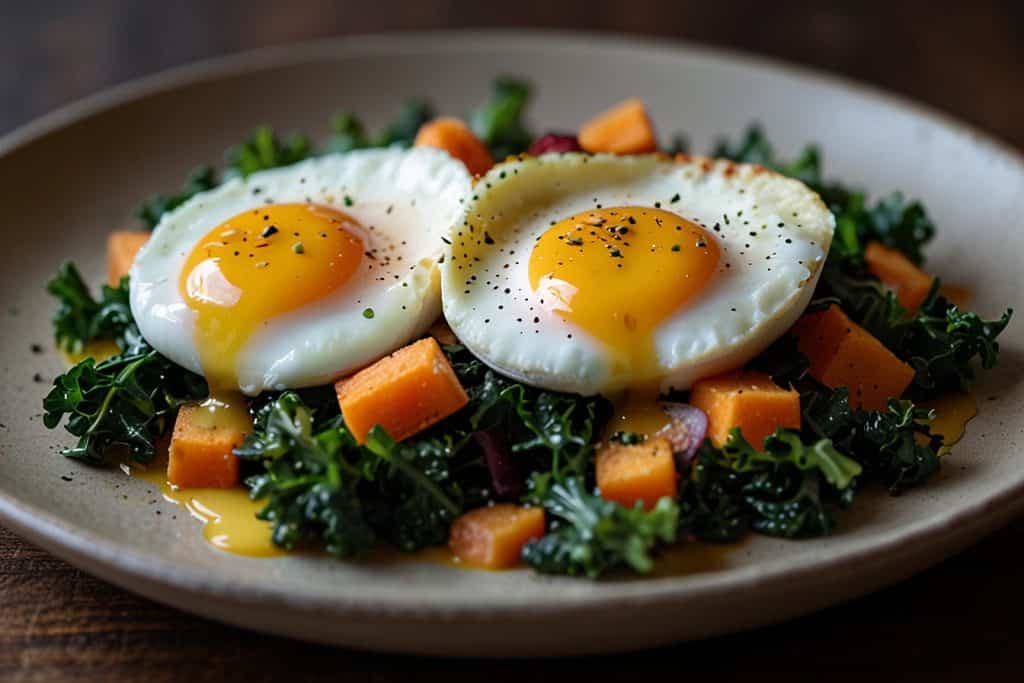
Check out these yummy veggie recipes

Troubleshooting Common Issues
I’ve encountered and solved many common challenges. Let me share solutions to issues you might face:
Grainy Texture
When your smoothie feels sandy, it’s often due to improper blending order. I’ve learned to start with liquids, add soft ingredients, then gradually add harder vegetables. For stubborn ingredients like carrots or beets, try grating them first or steaming until slightly tender.
Too Thick or Too Thin
Finding the perfect consistency took practice. For thick smoothies that won’t blend, add liquid in small increments – just a tablespoon at a time. If your smoothie is too thin, frozen fruit or ice cubes can help. I keep frozen banana chunks ready for quick thickness adjustment.
Bitter Taste
Sometimes green smoothies can taste too “green.” I balance this by adding naturally sweet ingredients like carrots, apples, or a touch of honey. Lemon juice also helps neutralize bitter flavors while adding brightness.
Separation
If your smoothie separates quickly, try adding ingredients high in pectin like apples or pears. I’ve found that adding half a teaspoon of chia seeds helps maintain consistent texture.
Foam on Top
Excess foam usually means too much air got whipped in. I reduce speed toward the end of blending and make sure not to overblend. A quick pulse or two is usually enough for final mixing.
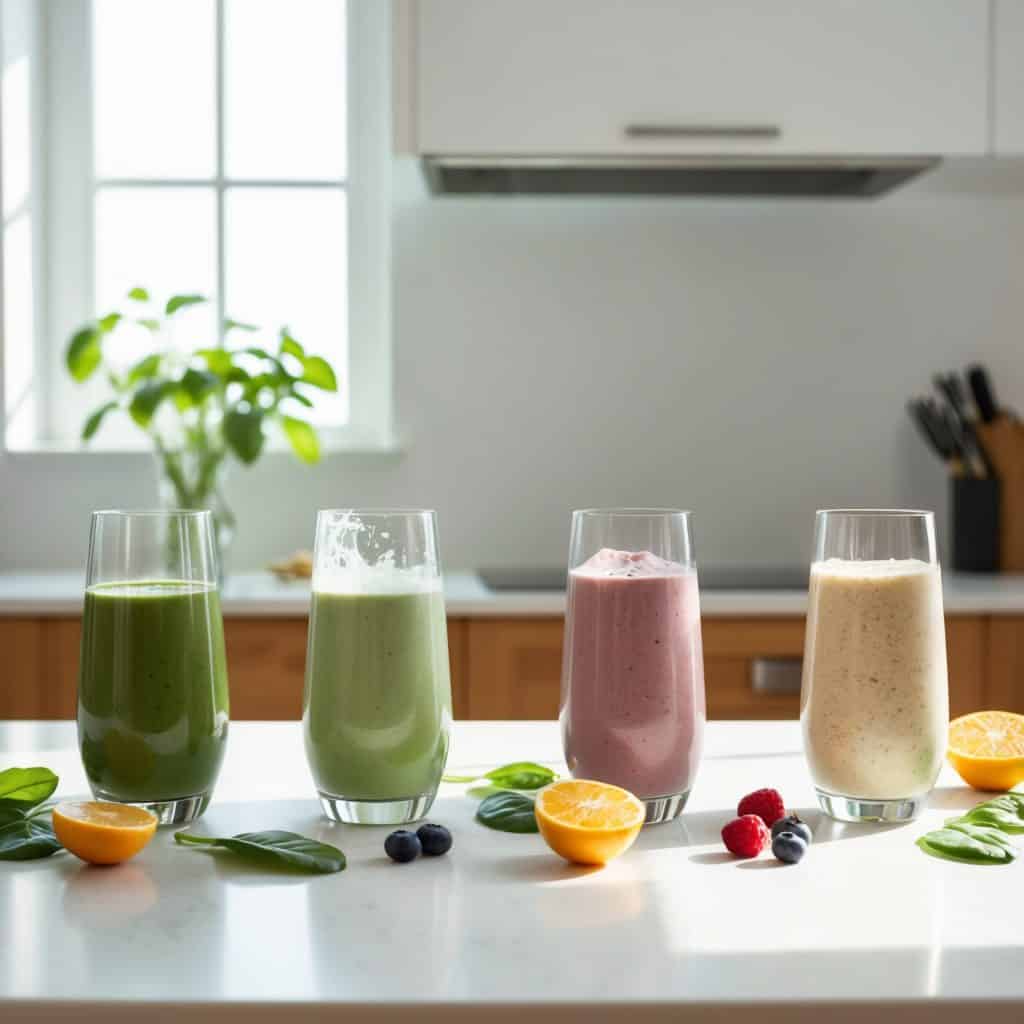
Storage and Prep-Ahead Tips
Make your smoothie routine easier with these time-saving strategies I’ve developed:
Freezer Prep Bags
I create individual smoothie packs by portioning cleaned, chopped vegetables into freezer bags. Each bag contains the right amount of vegetables for one smoothie. Label bags with contents and date – they stay fresh for up to three months.
Ice Cube Tricks
I freeze leafy greens in ice cube trays with a bit of water or coconut water. These nutrient-packed cubes are perfect for quick smoothies. Try this with spinach, kale, or herbs.
Mason Jar Storage
When making smoothies ahead, fill mason jars to the very top (leaving minimal air space) and seal tightly. They’ll stay fresh in the fridge for up to 24 hours. A quick shake revives the consistency.
Wash and Prep Day
I dedicate one day to washing and prepping vegetables for the week. Root vegetables get peeled and chopped, greens are washed and dried, and everything’s stored in airtight containers with paper towels to absorb excess moisture.
Herb Preservation
Fresh herbs add amazing flavor but spoil quickly. I’ve started freezing herbs in olive oil using ice cube trays. These cubes add both flavor and healthy fats to smoothies.

Making the Transition to Vegetable Smoothies
Starting a vegetable smoothie routine might feel overwhelming at first. I remember standing in my kitchen, wondering if I could really make this work. Here’s what helped me build a sustainable habit:
Baby Steps to Success
I started my vegetable smoothie adventure by simply tossing a handful of spinach into my usual strawberry-banana blend. This gentle introduction helped my taste buds embrace the change without feeling overwhelmed. Week by week, I experimented with new vegetables and larger portions. Soon, I found myself craving the fresh, vibrant flavors that vegetables bring to my morning glass.
Track Your Progress
Keep a simple journal of your smoothie experiments. Note which combinations you enjoy and how different smoothies make you feel. This helped me stay motivated and refine my recipes.
Build Your Support System
Share your smoothie adventures with friends or family. Having someone to exchange recipes and tips with makes the journey more enjoyable. Plus, it’s fun to surprise people with delicious vegetable smoothies they actually love!
Final Thoughts
Looking back at where I started, I never imagined that exploring vegetable smoothies would teach me so much. What began as simple experiments with my blender turned into a journey of discovery—from understanding the power of fresh ingredients to mastering preparation techniques, and yes, even learning from my fair share of smoothie mishaps! But most importantly, I learned that turning vegetables into delicious, nutritious drinks isn’t just about following recipes—it’s about being creative and listening to what your body needs.
You know what really amazes me? It’s how something as simple as blending vegetables can transform your relationship with healthy eating. I used to think getting healthier meant making huge lifestyle changes, but now I know better. It starts with that first curious step—maybe adding a handful of spinach to your regular fruit smoothie, or trying that beet-berry combo you’ve been eyeing. Each blend is like a small promise you make to yourself, a tiny investment in your well-being.
Nature’s given us this incredible variety of vegetables, each packed with its own special benefits, just waiting to be explored. So don’t worry about making the “perfect” smoothie—instead, have fun discovering what works for you. After all, your wellness journey is uniquely yours. Your blender is waiting, and a world of vibrant, nutritious possibilities awaits you in every blend.
